

Yesterday I set up a brand‑new Xbox Series X, only to discover that the game I wanted to try, Forza Horizon 5, would take nearly an hour to download and another 30 minutes to patch. Instead, I signed into a cloud‑gaming service on my 13‑inch laptop, pressed “Play”, and was racing through the streets of Mexico within three minutes. The whole experience lasted less than ten minutes, including login and a quick settings tweak.
What Cloud Gaming Actually Is
In practice, cloud gaming streams a video feed of a game running on a remote server to your device, while your controller inputs travel back to that server. Services such as Nvidia GeForce Now, Xbox Cloud Gaming, and PlayStation Plus Premium maintain data centres across Europe, North America, and Asia, typically delivering latency under 30 ms for users within 500 km of a node. That figure translates to a barely perceptible delay for most action titles, though fast‑paced shooters can still suffer at the edge of the coverage map.
Hardware Costs Shrink, but Bandwidth Grows
One of the most tangible benefits is the reduction in upfront hardware spend. A high‑end gaming PC can cost £1,500–£2,000, whereas a monthly subscription to a major cloud platform runs between £9.99 and £19.99. The trade‑off is a reliance on a stable internet connection: most providers recommend at least 15 Mbps for 1080p streaming at 60 fps, and 25 Mbps for 4K at 60 fps. In my own flat, the fibre line consistently hits 92 Mbps downstream, meaning I can comfortably stream 4K titles without buffering, but a neighbour with a 10 Mbps ADSL line would be limited to 720p and occasional stutter.
Game Libraries: Quantity versus Availability
Unlike buying a console, you don’t own the games; you access a catalogue that changes monthly. As of March 2024, GeForce Now lists roughly 2,400 titles, including most of the top 100 Steam releases. Xbox Cloud Gaming offers around 300 games, but all are part of Microsoft’s first‑party lineup, which means new releases from Bethesda, Obsidian, and other studios appear within days of launch. For indie enthusiasts, the selection can feel thin – titles that rely on specialised hardware, such as VR or custom controllers, are rarely supported.
Impact on Game Development and Distribution
Developers now have to optimise for server‑side rendering, which can alter how they design levels and manage assets. A recent case study from Ubisoft showed that streaming a large open‑world title required compressing textures to a maximum of 8 bits per channel, a noticeable downgrade from the 10‑bit assets used on local consoles. On the other hand, studios can reach players who would never afford a console, expanding their market reach by an estimated 12 % in regions with high broadband penetration.
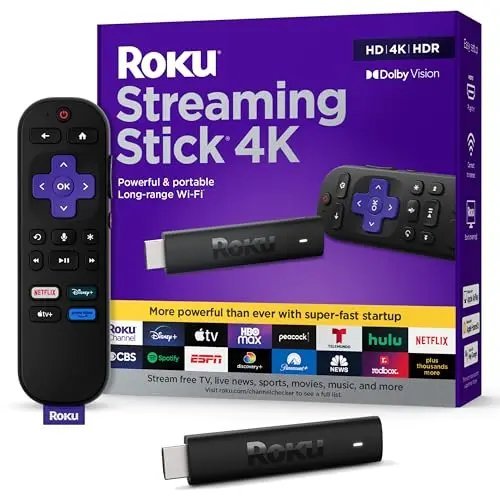
Bridging the Gap to Online Entertainment
While cloud gaming reshapes how we play, it also nudges us toward broader streaming ecosystems. For example, many platforms bundle game streaming with movie and music services, turning a single subscription into an all‑in‑one entertainment hub. A quick look at the current market shows that https://bbone.uk offers both gaming and media options under one roof, illustrating how the lines between play and other digital pastimes are blurring.
Limitations That Still Matter
The biggest obstacle remains data caps. In the UK, many broadband packages still enforce a 500 GB monthly limit, which can be exhausted after just 30 hours of 1080p gaming. Rural users, who often rely on satellite or fixed‑line DSL, may experience latency spikes above 80 ms, making competitive play frustrating. Additionally, the subscription model means you lose access to your library the moment you cancel, a risk for collectors who prefer permanent ownership.
Looking Ahead: What to Expect in the Next Five Years
Analysts predict that by 2029, at least 40 % of new game releases will be launched simultaneously on cloud platforms. Edge computing nodes are expected to proliferate, cutting average latency to under 15 ms for most urban users. Expect tighter integration with AI‑driven upscaling, which could allow 1080p streams to look like native 4K without demanding extra bandwidth. For now, the technology is already solid enough for casual play, but competitive gamers will likely wait for the next generation of ultra‑low‑latency infrastructure.
Conclusion: A Pragmatic Shift, Not a Total Replacement
Cloud gaming isn’t a magic wand that instantly solves every hardware problem, but it does offer a clear path to more affordable, flexible play. If you have a reliable fibre connection and are comfortable with a subscription model, you can enjoy a library of recent titles without the hassle of upgrades. For those on limited data or with high performance needs, traditional consoles and PCs will remain essential. The rise of streaming is redefining playgrounds, but the old toys are still very much in the game.
Frequently Asked Questions
What is cloud gaming?
Cloud gaming streams game video from remote servers to your device, so you don’t need powerful local hardware.
How does cloud gaming compare to downloading a game on Xbox Series X?
Cloud gaming delivers instant play with no download or patch time, whereas Xbox requires hours to download and patch games before playing.
Are there any latency issues with cloud gaming on laptops?
Latency can be a concern, but high-speed internet and edge servers reduce lag, making racing games feel responsive for most users.
